Winter IV Hydration in Minnesota | Immune & Energy Support
Winter Restoration: Supporting Energy, Immunity, and Hydration in Minnesota

Introduction
Winter in Minnesota places unique physiological demands on the body. Cold temperatures, reduced sunlight exposure, indoor heating, and seasonal illness all contribute to fatigue, dehydration, and immune strain—often without obvious warning signs.
Across Minnesota and the Twin Cities, many individuals continue to maintain demanding work, family, and travel schedules throughout the winter months. At Minnesota IV Hydration, winter wellness is approached through clinically guided care, grounded in individualized assessment and medical oversight, with the goal of supporting hydration, energy, and immune resilience during this demanding season.
Why Winter Dehydration Is Common in Minnesota
Dehydration is often associated with summer heat, yet it is equally prevalent—and frequently overlooked—during Minnesota winters.
Several factors contribute:
- Cold air suppresses the body’s thirst response
- Increased fluid loss occurs through respiration
- Dry indoor environments accelerate dehydration
- Overall fluid intake often decreases during colder months
According to the
Mayo Clinic, even mild dehydration can affect energy levels, cognition, and physical performance, particularly in colder climates where thirst cues are blunted.
👉https://www.mayoclinic.org/diseases-conditions/dehydration/symptoms-causes/syc-20354086
Symptoms such as headaches, muscle tension, fatigue, and difficulty concentrating are commonly reported during winter months and may reflect underlying hydration deficits.
Winter’s Impact on Immune Function
Seasonal immune stress is particularly pronounced in northern climates. Limited sun exposure, increased indoor gatherings, disrupted sleep patterns, and cumulative stress all influence immune performance.
From a clinical perspective, winter often corresponds with increased physiological demand for:
- Vitamin C, which supports antioxidant activity and immune cell function
- Zinc, essential for immune signaling and cellular repair
- B-complex vitamins, involved in energy metabolism and stress adaptation
- Magnesium, which supports muscle relaxation and nervous system regulation
The
National Institutes of Health (NIH) notes that vitamin C and magnesium both play important roles in immune and neuromuscular function, particularly during periods of increased stress or illness.
👉
https://ods.od.nih.gov/factsheets/VitaminC-Consumer/
??
https://ods.od.nih.gov/factsheets/Magnesium-Consumer/
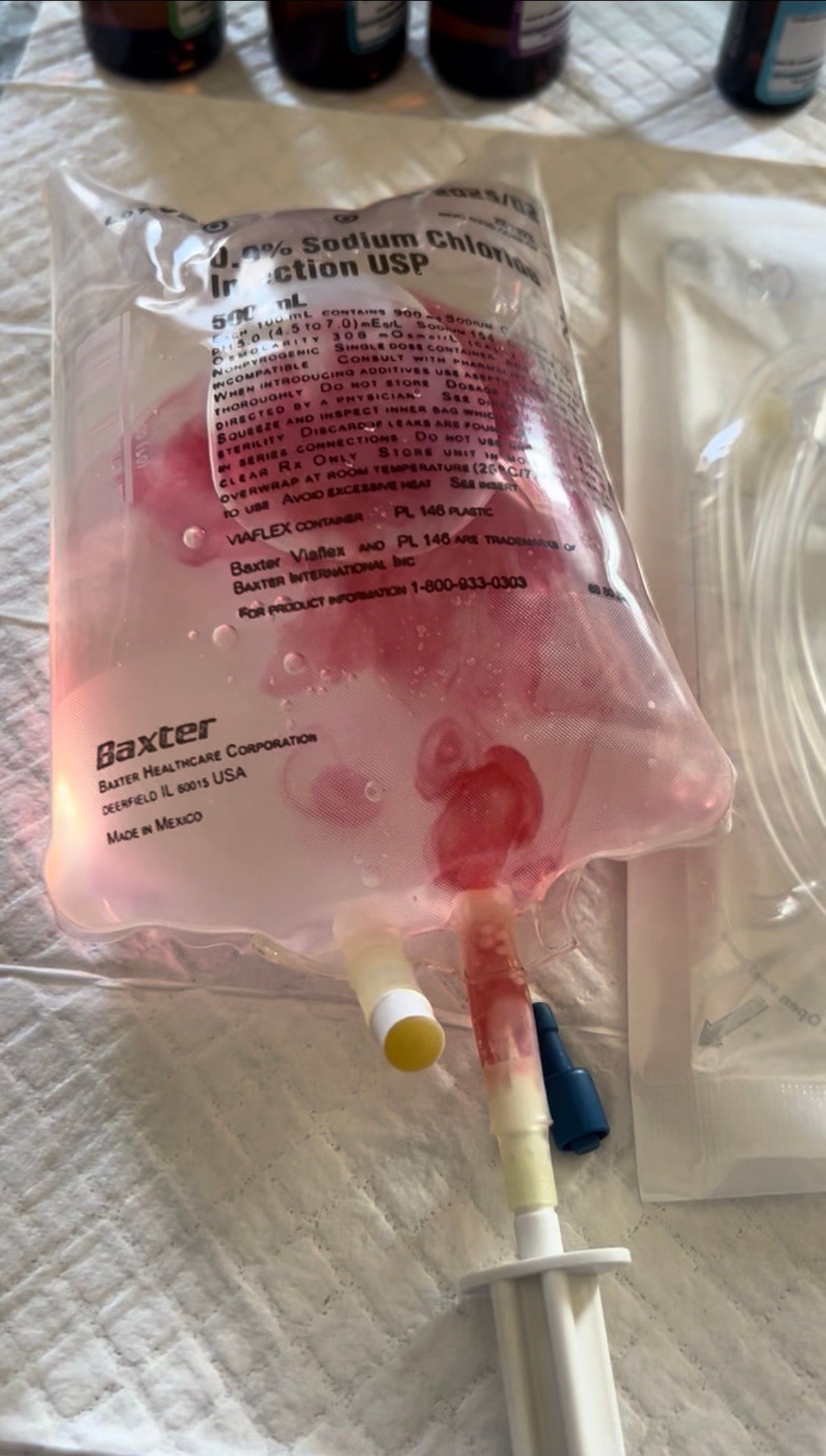
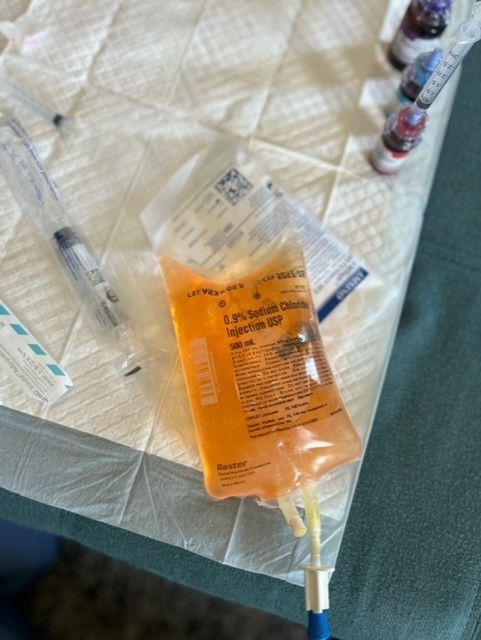
When clinically appropriate, IV hydration allows fluids and nutrients to be delivered directly into circulation, offering predictable absorption for individuals who may not tolerate or absorb oral supplementation effectively during winter.
The Role of Clinical Assessment
All IV services at Minnesota IV Hydration begin with a comprehensive clinical assessment. This process is essential for:
- Determining appropriateness of care
- Identifying potential contraindications
- Guiding individualized formulation selection
- Ensuring patient safety and comfort
IV hydration is not positioned as a replacement for foundational wellness practices such as nutrition, sleep, and movement. Rather, it is offered as supportive care, integrated thoughtfully when increased physiological demand exists.
Who May Consider IV Hydration During Winter
Winter IV hydration may be appropriate for individuals who:
- Experience persistent fatigue despite adequate rest
- Are recovering from recent illness
- Maintain demanding professional or travel schedules
- Experience frequent headaches or muscle tightness during colder months
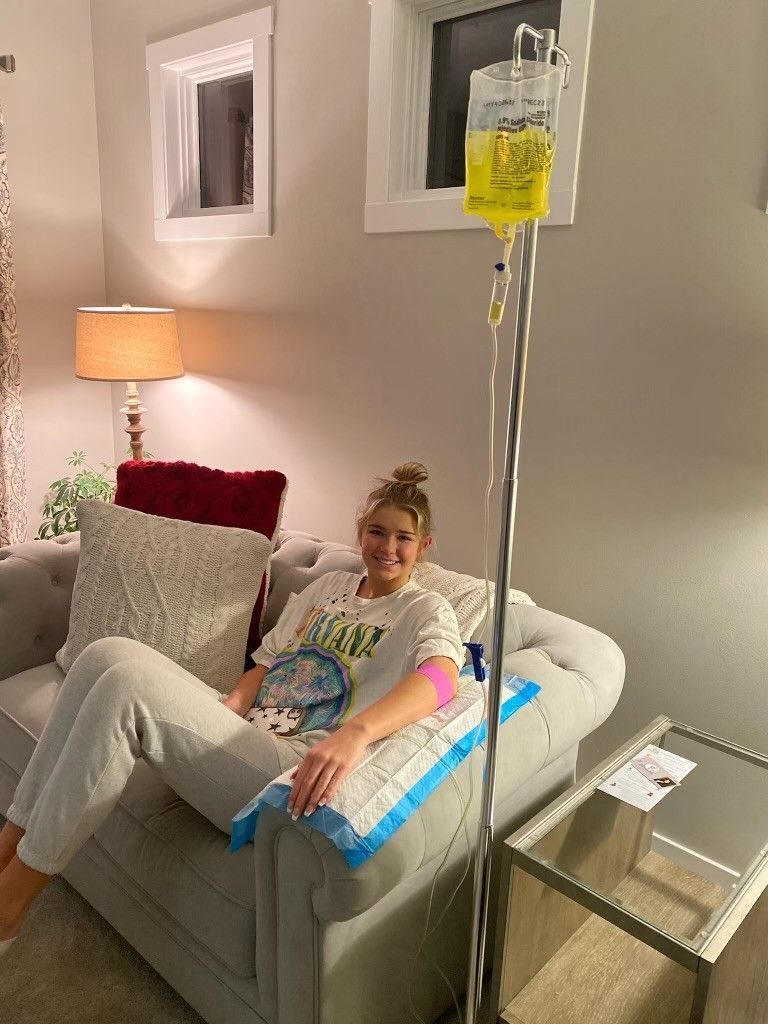
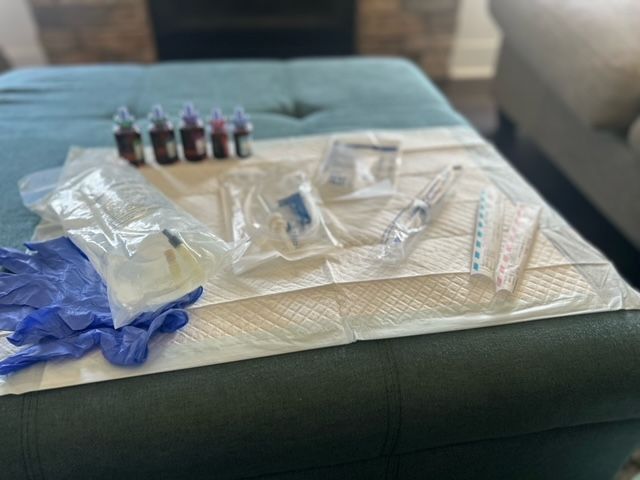
For some clients, mobile concierge IV hydration may be an appropriate option—particularly when rest, privacy, or scheduling flexibility is a priority. When offered, mobile services adhere to the same clinical standards, sterile technique, and medical oversight as in-clinic care.
A Measured, Intentional Approach to Winter Wellness
Winter restoration is not about aggressive interventions or rapid resets. It is about steady, intentional support—delivered with clinical judgment, discretion, and respect for the body’s natural rhythms.
At Minnesota IV Hydration, care emphasizes:
- Thoughtful nutrient selection
- Conservative, evidence-informed dosing
- A calm, patient-centered experience
This allows wellness care to feel restorative rather than overstimulating.
Clinical Perspective
Seasonal wellness support is most effective when it aligns with the body’s physiology. During winter, the goal is not to push the body harder—but to support hydration, immune balance, and recovery in a way that is measured and sustainable.
The
Centers for Disease Control and Prevention (CDC) emphasizes the importance of adequate hydration year-round to support overall health, even when thirst cues are reduced.
👉
https://www.cdc.gov/healthyweight/healthy_eating/water-and-healthier-drinks.html
Minnesota IV Hydration provides clinically grounded IV hydration services throughout Minnesota and the Twin Cities, delivered through a refined concierge care model.
Scheduling an IV Infusion
For individuals experiencing fatigue, dehydration, or increased immune stress during the winter months, Minnesota IV Hydration offers timely IV infusion services designed to support hydration and recovery.
Clients may contact Minnesota IV Hydration directly to inquire about same-day or upcoming infusion availability, either in-clinic or, when appropriate, through mobile concierge care. All services are provided following clinical assessment and medical oversight to ensure care is safe, appropriate, and individualized.
📞
To schedule or inquire about an infusion,
contact Minnesota IV Hydration directly.
Our team is happy to answer questions and guide you through next steps.
Frequently Asked Questions About IV Hydration in Winter
Is IV hydration safe during the winter months?
When provided through a clinic with appropriate clinical assessment and medical oversight, IV hydration is generally safe for appropriately screened individuals.
Why is dehydration common in winter if I’m not sweating?
Cold weather suppresses thirst cues, while fluid loss continues through respiration—especially in dry indoor environments—making dehydration easier to miss during winter.
How does IV hydration differ from drinking fluids or taking supplements?
Oral hydration is foundational and appropriate for many individuals. IV hydration may be considered when oral intake is insufficient, absorption is impaired, or symptoms persist despite adequate hydration.