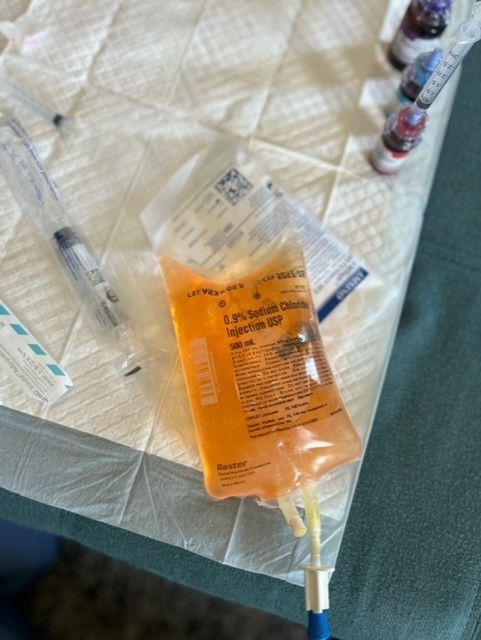
Zinc: A Clinical Look at IV Zinc Therapy
Introduction
Zinc is an essential trace mineral involved in hundreds of enzymatic processes throughout the body, playing a critical role in immune function, cellular repair, and inflammatory regulation. Despite its importance, zinc deficiency or increased zinc demand is common—particularly during periods of illness, stress, or immune challenge.
At Minnesota IV Hydration, zinc is thoughtfully incorporated into our Immunity Infusion and may also be added to other IV formulations when clinically appropriate. Our approach emphasizes measured, evidence-informed support, guided by clinical assessment rather than trend-driven use.
Why Zinc Is Clinically Important
Zinc is required for both innate and adaptive immune responses. It supports the function of immune cells involved in pathogen recognition, inflammation regulation, and tissue repair.
According to the National Institutes of Health (NIH), zinc plays a role in:
- Immune cell development and signaling
- Antioxidant activity
- Wound healing and tissue integrity
- Cellular growth and repair
Even marginal zinc deficiency may impair immune response and prolong recovery from illness.
👉
https://ods.od.nih.gov/factsheets/Zinc-Consumer/
Zinc Demand During Illness and Stress
Zinc requirements may increase during:
- Acute or recurrent illness
- Chronic stress or poor sleep
- Increased inflammatory burden
- Periods of high physical or cognitive demand
During illness, zinc is rapidly utilized by immune cells. At the same time, appetite changes, gastrointestinal symptoms, or impaired absorption may limit oral intake—making repletion more challenging through diet or supplements alone.
Who May Benefit from IV Zinc
IV zinc may be considered for individuals who:
- Experience frequent or prolonged immune challenges
- Are recovering from recent illness
- Maintain high-stress or demanding schedules
- Have difficulty tolerating oral supplements
- Are seeking supportive care during seasonal immune strain
Zinc is often included as part of a broader immune-supportive formulation rather than administered in isolation, reflecting the way nutrients work synergistically in the body.
When Zinc Supplementation May Be Appropriate
Zinc is not intended for continuous or excessive use. Timing and dosing should be guided by clinical context.
Zinc support may be considered:
- During early immune stress or illness
- During recovery periods
- In seasons associated with increased immune demand
Routine, long-term supplementation without assessment is generally not recommended, as excessive zinc intake may interfere with other trace minerals, including copper.
Oral Zinc vs. IV Zinc: What’s the Difference?
Oral zinc supplementation can be effective for many individuals, particularly when tolerated and absorbed well. However, oral zinc may cause gastrointestinal discomfort, nausea, or poor absorption—especially during illness.
IV zinc differs in several ways:
- Delivered directly into circulation
- Avoids gastrointestinal irritation
- Allows for predictable absorption
- Can be combined with hydration and other supportive nutrients
IV administration may be considered when oral intake is insufficient, poorly tolerated, or ineffective in meeting short-term physiological demand.
The
Cleveland Clinic notes that IV nutrient therapy may be appropriate in select clinical contexts when oral intake is limited or absorption is impaired.
👉
https://health.clevelandclinic.org/iv-therapy/
Zinc as Part of an Immunity Infusion
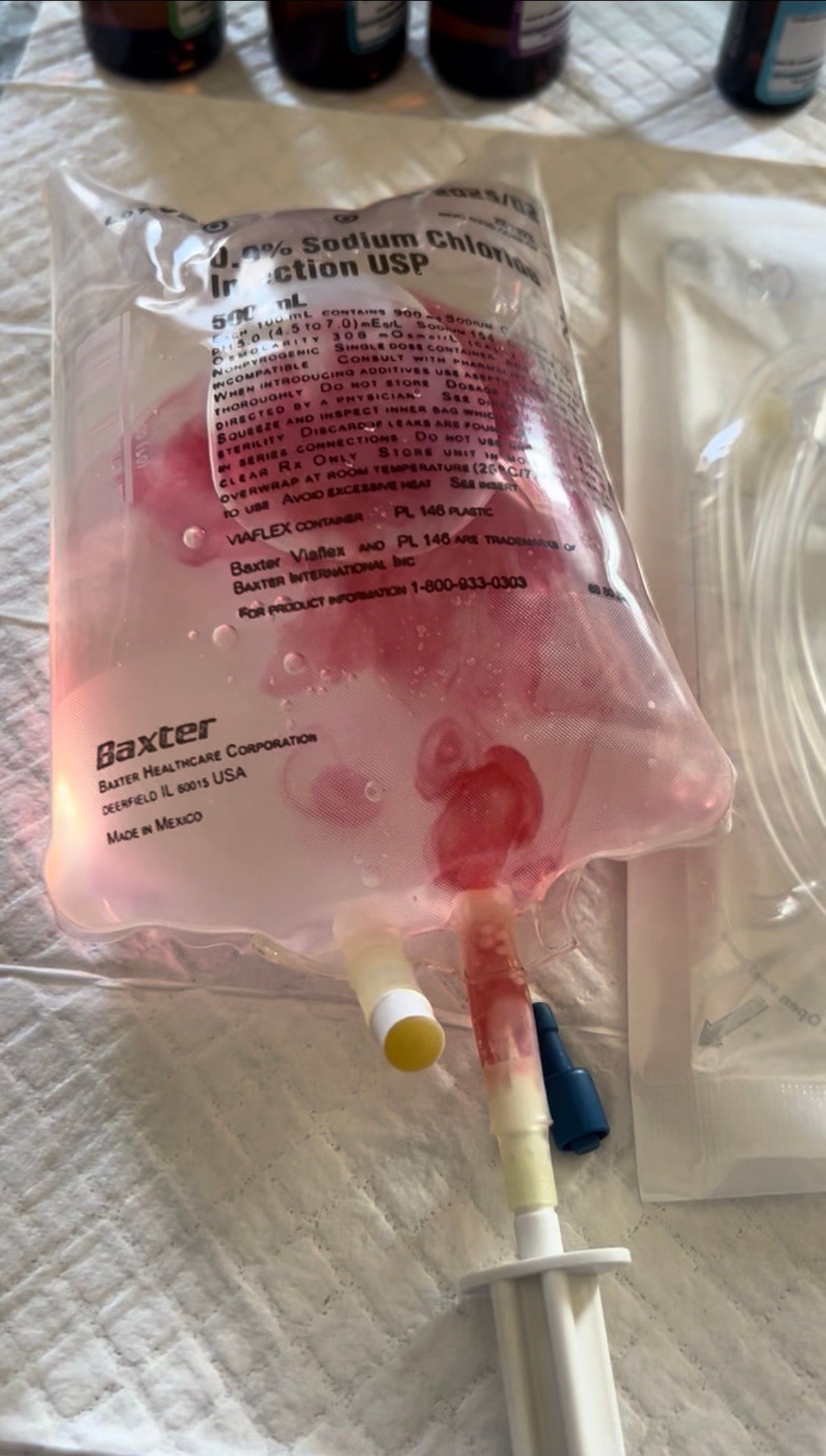
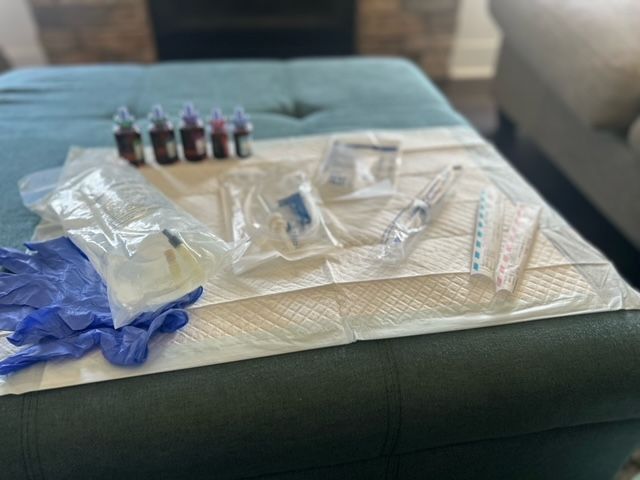
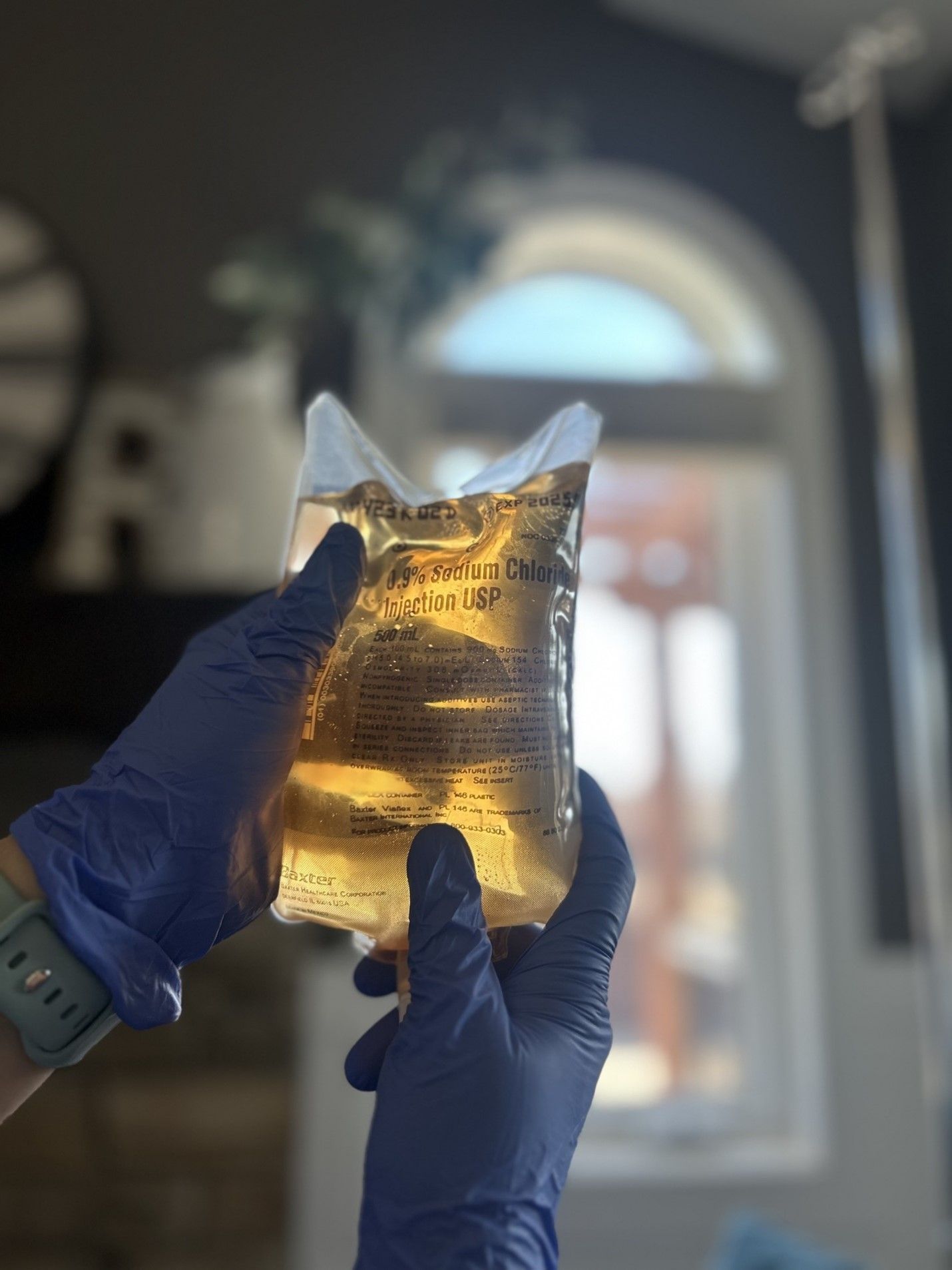
At Minnesota IV Hydration, zinc is most commonly included as part of our Immunity Infusion, where it works alongside hydration, vitamin C, and other supportive nutrients.
This formulation is designed to:
- Support immune function during increased demand
- Promote recovery rather than overstimulation
- Complement foundational wellness practices
Zinc may also be added to other infusions when clinically appropriate, based on individual needs and assessment.
The Role of Clinical Assessment
All IV services begin with a clinical assessment to determine appropriateness, safety, and individualized care planning. Zinc supplementation—whether oral or IV—is never one-size-fits-all.
This assessment-based approach ensures IV therapy remains supportive, conservative, and clinically grounded.
Scheduling an IV Infusion
For individuals experiencing increased immune stress or recovering from illness, Minnesota IV Hydration offers IV infusions that may include zinc when appropriate.
Clients may contact Minnesota IV Hydration directly to inquire about same-day or upcoming infusion availability, either in-clinic or, when appropriate, through mobile concierge care. All services are provided following clinical assessment and medical oversight.
📞 To schedule or inquire about an infusion, contact Minnesota IV Hydration directly.
Frequently Asked Questions About IV Zinc
Is IV zinc safe?
When administered following clinical assessment and appropriate dosing, IV zinc is generally well tolerated. Zinc is provided only when clinically appropriate and not intended for routine or excessive use.
Can I receive zinc without an immunity infusion?
Zinc is most commonly included as part of an immunity-focused formulation but may be added to other infusions when clinically appropriate and assessed on an individual basis.
Is IV zinc better than oral zinc?
Neither approach is universally “better.” Oral zinc is appropriate for many individuals. IV zinc may be considered when oral intake is not tolerated, absorption is impaired, or short-term repletion is clinically indicated.