Ask your IV Nurses: How Does Dehydration Affect My Brain?
Ask Your IV Nurse
How Does Dehydration Affect My Brain?
Ever walk into a room and completely forget why you went there?
Or find yourself rereading the same email three times because your brain just isn't firing on all cylinders?
Before you blame your age, your kids, or your overflowing to-do list, consider something surprisingly common: dehydration.
Your brain is made up of approximately 75% water, so even mild dehydration can affect how well it functions. In fact, research has shown that losing as little as 1–2% of your body weight in fluids can begin to impact concentration, memory, reaction time, and mood.
Your Brain Needs Water to Perform
Water helps your brain:
- Deliver oxygen and nutrients to brain cells
- Remove waste products
- Maintain healthy blood flow
- Support communication between nerve cells
- Regulate body temperature
- Maintain normal electrolyte balance
When you're dehydrated, your brain has to work harder to accomplish everyday tasks, leaving you feeling mentally drained.
Signs Dehydration May Be Affecting Your Brain
You might notice:
- Brain fog
- Difficulty concentrating
- Forgetfulness
- Slower thinking
- Trouble making decisions
- Irritability
- Fatigue
- Headaches
- Feeling mentally "off"
- Slower reaction times
Many people assume these symptoms are caused by stress, lack of sleep, or too much caffeine. While those can certainly play a role, dehydration is an often-overlooked contributor.
Why Does This Happen?
When your body loses fluids through sweating, illness, exercise, or simply not drinking enough water, your blood volume decreases slightly. That means your heart has to work a little harder to circulate blood throughout your body—including to your brain.
At the same time, you lose electrolytes like sodium and potassium, which help nerve cells communicate effectively. When fluids and electrolytes become imbalanced, your brain doesn't function as efficiently, which can contribute to headaches, mental fatigue, and difficulty concentrating.
Who Is Most at Risk?
Anyone can become dehydrated, but the risk is higher if you:
- Work outdoors in the heat
- Exercise regularly
- Spend long days on the golf course
- Coach or play outdoor sports
- Work in construction, landscaping, or farming
- Travel frequently
- Have vomiting or diarrhea
- Drink alcohol
- Take certain medications, including some diuretics
Even spending a day at the lake can leave you more dehydrated than you realize.
Can Drinking Water Help?
Absolutely.
For most healthy people, drinking water throughout the day is the best way to stay hydrated. During prolonged exercise or heavy sweating, replacing electrolytes may also be beneficial.
The key is not waiting until you're thirsty. Thirst often develops after your body has already begun losing fluids.
When IV Hydration May Be Appropriate
Sometimes drinking water is enough.
Other times—such as after prolonged heat exposure, strenuous exercise, illness, or significant dehydration—it can be difficult to replace fluids quickly enough by drinking alone.
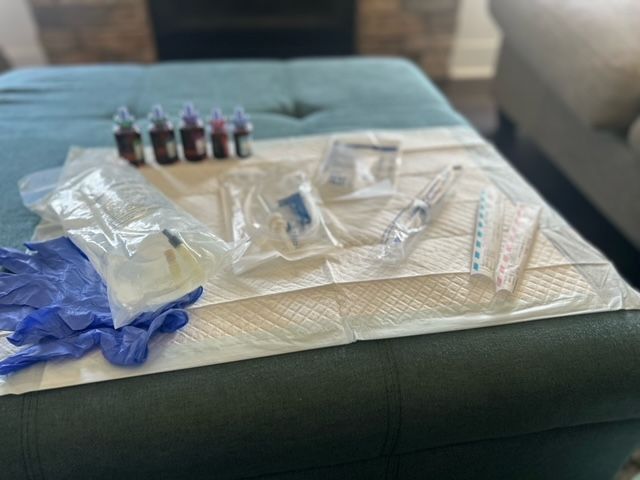
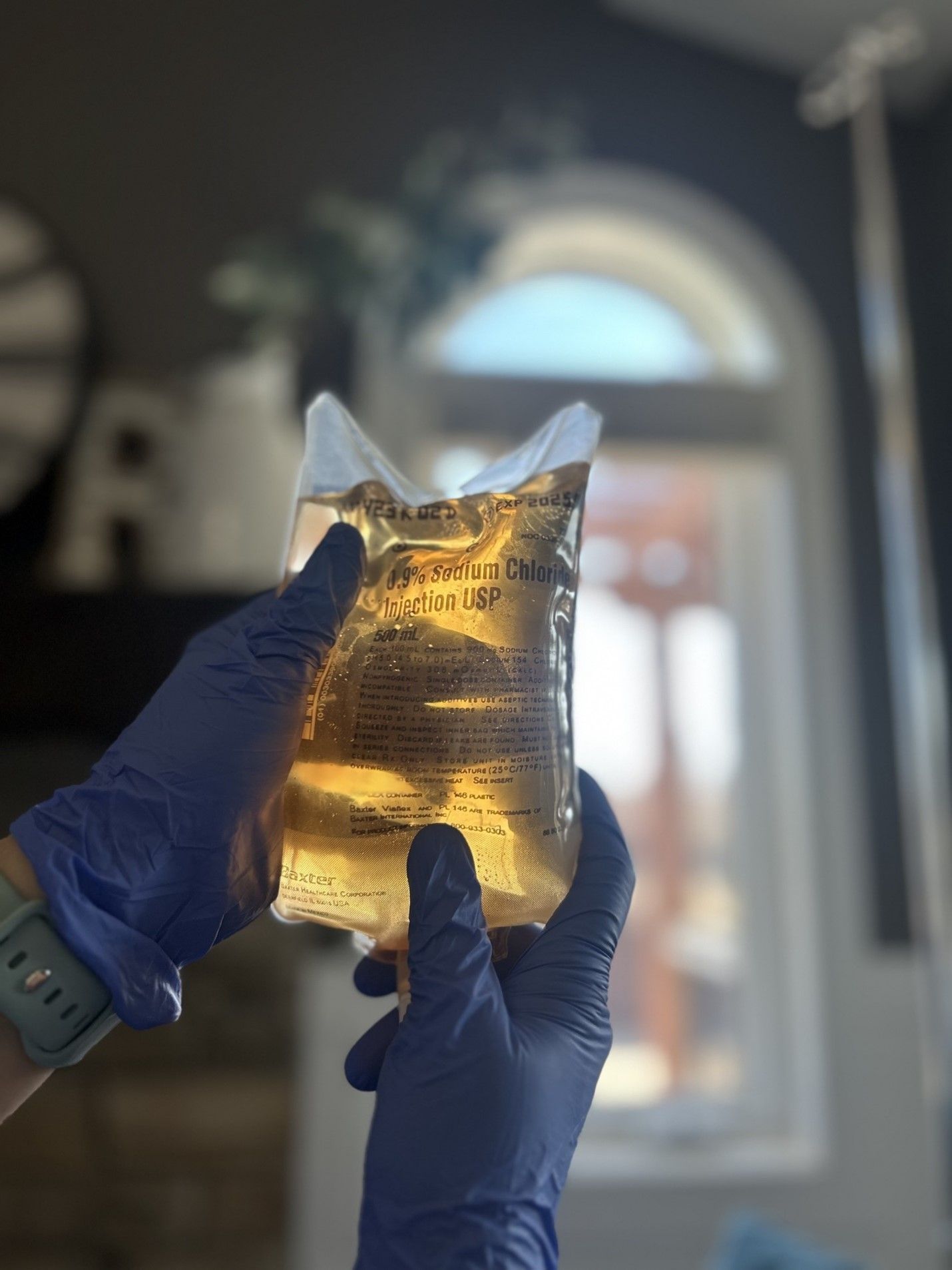
Under appropriate medical supervision, IV hydration can help restore fluids and electrolytes for individuals who are significantly dehydrated or unable to maintain adequate hydration orally. At Minnesota IV Hydration, our experienced registered nurses assess each client individually to determine whether IV hydration is appropriate for their situation.
A Little Minnesota Humor
Minnesotans are tough.
We'll spend eight hours pulling weeds, mow the lawn in 90-degree heat, play 18 holes of golf, stop for a Juicy Lucy on the way home...and then wonder why we have a pounding headache and can't remember where we left the truck keys.
Sometimes it isn't just "getting older."
Sometimes your brain is simply asking for a little more hydration.
Ask Your IV Nurse
If you've been feeling mentally sluggish after working outdoors, exercising, traveling, or spending time in the summer heat, dehydration may be playing a bigger role than you think.
Our experienced registered nurses are happy to answer your questions and help determine whether increasing your oral hydration is enough or whether IV hydration may be appropriate based on your symptoms and overall health.
Don't let dehydration slow your body—or your brain.
Call or text Minnesota IV Hydration today to schedule your appointment or learn more about our in-clinic and mobile IV hydration services. Whether you've spent the day on a job site, at the cabin, on the golf course, or cheering from the sidelines, we're here to help you recover, rehydrate, and get back to feeling your best.
Stay sharp. Stay hydrated. Enjoy your Minnesota summer.