Ask Your IV Nurses: Why do I feel terrible after being in the sun?
June 30, 2026

The body content of your post goes here. To edit this text, click on it and delete this default text and start typing your own or paste your own from a different source.
Ask Your IV Nurse How Does Dehydration Affect My Brain? Ever walk into a room and completely forget why you went there? Or find yourself rereading the same email three times because your brain just isn't firing on all cylinders? Before you blame your age, your kids, or your overflowing to-do list, consider something surprisingly common: dehydration. Your brain is made up of approximately 75% water , so even mild dehydration can affect how well it functions. In fact, research has shown that losing as little as 1–2% of your body weight in fluids can begin to impact concentration, memory, reaction time, and mood. Your Brain Needs Water to Perform Water helps your brain: Deliver oxygen and nutrients to brain cells Remove waste products Maintain healthy blood flow Support communication between nerve cells Regulate body temperature Maintain normal electrolyte balance When you're dehydrated, your brain has to work harder to accomplish everyday tasks, leaving you feeling mentally drained. Signs Dehydration May Be Affecting Your Brain You might notice: Brain fog Difficulty concentrating Forgetfulness Slower thinking Trouble making decisions Irritability Fatigue Headaches Feeling mentally "off" Slower reaction times Many people assume these symptoms are caused by stress, lack of sleep, or too much caffeine. While those can certainly play a role, dehydration is an often-overlooked contributor. Why Does This Happen? When your body loses fluids through sweating, illness, exercise, or simply not drinking enough water, your blood volume decreases slightly. That means your heart has to work a little harder to circulate blood throughout your body—including to your brain. At the same time, you lose electrolytes like sodium and potassium, which help nerve cells communicate effectively. When fluids and electrolytes become imbalanced, your brain doesn't function as efficiently, which can contribute to headaches, mental fatigue, and difficulty concentrating. Who Is Most at Risk? Anyone can become dehydrated, but the risk is higher if you: Work outdoors in the heat Exercise regularly Spend long days on the golf course Coach or play outdoor sports Work in construction, landscaping, or farming Travel frequently Have vomiting or diarrhea Drink alcohol Take certain medications, including some diuretics Even spending a day at the lake can leave you more dehydrated than you realize. Can Drinking Water Help? Absolutely. For most healthy people, drinking water throughout the day is the best way to stay hydrated. During prolonged exercise or heavy sweating, replacing electrolytes may also be beneficial. The key is not waiting until you're thirsty. Thirst often develops after your body has already begun losing fluids. When IV Hydration May Be Appropriate Sometimes drinking water is enough. Other times—such as after prolonged heat exposure, strenuous exercise, illness, or significant dehydration—it can be difficult to replace fluids quickly enough by drinking alone. Under appropriate medical supervision, IV hydration can help restore fluids and electrolytes for individuals who are significantly dehydrated or unable to maintain adequate hydration orally. At Minnesota IV Hydration, our experienced registered nurses assess each client individually to determine whether IV hydration is appropriate for their situation. A Little Minnesota Humor Minnesotans are tough. We'll spend eight hours pulling weeds, mow the lawn in 90-degree heat, play 18 holes of golf, stop for a Juicy Lucy on the way home...and then wonder why we have a pounding headache and can't remember where we left the truck keys. Sometimes it isn't just "getting older." Sometimes your brain is simply asking for a little more hydration. Ask Your IV Nurse If you've been feeling mentally sluggish after working outdoors, exercising, traveling, or spending time in the summer heat, dehydration may be playing a bigger role than you think. Our experienced registered nurses are happy to answer your questions and help determine whether increasing your oral hydration is enough or whether IV hydration may be appropriate based on your symptoms and overall health. Don't let dehydration slow your body—or your brain. Call or text Minnesota IV Hydration today to schedule your appointment or learn more about our in-clinic and mobile IV hydration services. Whether you've spent the day on a job site, at the cabin, on the golf course, or cheering from the sidelines, we're here to help you recover, rehydrate, and get back to feeling your best. Stay sharp. Stay hydrated. Enjoy your Minnesota summer.

Is My Urine Color Normal? What Your Pee Is Trying to Tell You

Summer in Minnesota means long days outdoors—but it also means an increased risk for dehydration. Whether you're working construction, landscaping, farming, spending the day on the golf course, coaching youth sports, training for a race, or simply enjoying the sunshine, your body works hard to regulate its temperature. One of the primary ways it does that is through sweating. While sweating helps cool your body, it also causes you to lose more than just water. Every drop of sweat contains essential electrolytes and nutrients that help your muscles, nerves, heart, and cells function properly. If those losses aren't replaced, dehydration and heat-related illness can develop more quickly than many people realize. Why Water Isn't Always Enough Drinking water is the foundation of staying hydrated, and it's the best first step for most healthy people. However, after prolonged heat exposure, strenuous physical activity, or excessive sweating, your body may also need to replace important electrolytes and nutrients that were lost. These nutrients help support: Muscle function Nerve communication Fluid and electrolyte balance Energy production Normal heart function When they become depleted, you may experience: Fatigue Muscle cramps Headaches Dizziness Brain fog Decreased endurance Slower recovery after physical activity How IV Hydration May Help For individuals who become significantly dehydrated or struggle to replace fluids adequately by drinking alone, IV hydration can be an effective option. Because fluids are delivered directly into the bloodstream, IV therapy can rapidly restore hydration under appropriate medical supervision. At Minnesota IV Hydration, our customized IV therapies may include nutrients such as: Magnesium Magnesium supports healthy muscle and nerve function, helps maintain electrolyte balance, and plays a role in hundreds of biochemical reactions throughout the body. It may also help replenish stores depleted through prolonged sweating. Vitamin C Vitamin C is a powerful antioxidant that supports immune health, collagen production, and helps protect cells from oxidative stress that can increase during intense exercise and heat exposure. B-Complex Vitamins B vitamins help convert food into usable energy while supporting normal nervous system function. Because the body stores only limited amounts of many B vitamins, maintaining healthy levels is important for overall wellness. Vitamin B12 Vitamin B12 supports red blood cell production, nerve health, and energy metabolism. For individuals with a deficiency, replacing B12 may help improve symptoms related to low vitamin levels. Who Should Pay Extra Attention to Hydration? Anyone can become dehydrated, but the risk increases for people who spend extended periods in the heat, including: Construction workers Roofers Farmers Landscapers Delivery drivers Golfers Marathon runners and endurance athletes Coaches and referees Festival and event staff Outdoor enthusiasts Anyone working or exercising in hot weather Know the Early Signs of Dehydration By the time you feel very thirsty, your body may already be mildly dehydrated. Watch for early warning signs such as: Dark-colored urine Dry mouth Fatigue Muscle cramps Headache Feeling lightheaded or dizzy Reduced performance during work or exercise The best way to stay ahead of dehydration is to drink fluids consistently throughout the day, replace electrolytes during prolonged sweating, take breaks in the shade or air conditioning, and recognize when symptoms require medical attention. Stay Safe This Summer Heat-related illness can become serious quickly. If you experience confusion, fainting, an inability to keep fluids down, a very high body temperature, or changes in mental status, seek emergency medical care immediately. If you've spent long hours in the heat and are looking to support hydration and recovery, Minnesota IV Hydration provides medical-grade IV hydration administered by experienced registered nurses. Our team can help determine whether IV hydration is appropriate for your situation and create a customized treatment plan designed to support your recovery. Whether you're preparing for a demanding day outdoors or recovering afterward, we're here to help you feel your best all summer long. Don't Wait Until Dehydration Slows You Down Whether you're pouring concrete, roofing homes, landscaping, working long shifts outdoors, training for your next race, playing 18 holes of golf, or simply enjoying everything a Minnesota summer has to offer, your body performs best when it's properly hydrated. If you've been working hard in the heat and aren't feeling like yourself, let our experienced registered nurses help you recover with personalized IV hydration tailored to your needs. Call or text Minnesota IV Hydration today to schedule your appointment, or book online. We offer both in-clinic and mobile IV hydration services, making it easy to get the support you need—wherever you are. Recover faster. Rehydrate smarter. Feel your best all summer long. Stay hydrated. Stay strong. Enjoy your Minnesota summer.
Real Results. Real Care. Real Client Experiences. At Minnesota IV Hydration & Wellness, trust is not something we claim — it is something earned through every visit, every relationship, and every outcome. As a nurse-owned and operated concierge wellness service, our mission is simple: provide safe, personalized, clinically guided care that helps people feel better, recover faster, and avoid unnecessary hospital visits whenever appropriate. With hundreds of five-star experiences across Minnesota, our clients consistently share why they continue to choose Minnesota IV Hydration & Wellness. Nurse-Led Clinical Care You Can Trust Your health deserves experienced medical professionals who prioritize safety, comfort, and individualized care. Minnesota IV Hydration & Wellness is led by registered nurses with strong clinical backgrounds, ensuring each infusion, injection, and wellness service is delivered with precision and compassion. Clients frequently share how reassured they feel knowing their care is performed by knowledgeable nurses who take the time to listen, educate, and personalize each visit. Real Results — Helping Clients Feel Better, Faster Whether recovering from dehydration, migraines, illness, fatigue, pregnancy-related symptoms, or chronic conditions, one message appears again and again: clients feel a real difference. Our IV therapy supports hydration, replenishes nutrients, and helps the body recover when it needs support most. Clients often report: Relief from migraines and headaches Faster recovery from illness or depletion Improved energy and clarity Support during pregnancy-related nausea and dehydration Avoiding urgent care or ER visits Feeling restored, supported, and cared for Real Client Experiences Urgent Care & Rapid Response “I contacted Minnesota IV Hydration late at night feeling extremely sick, and Aly was at my home within 30 minutes. She was sweet, caring, and I felt better quickly — it saved me an ER visit.” “Highly recommend. Prompt communication, professional service, and likely saved thousands compared to an ER visit for similar IV care.” Migraine Relief & Recovery “After a 3-day migraine, I chose an Alleviate infusion. Sarah was incredibly knowledgeable and made me feel at ease. Home infusion was far better than the ER.” “Having Minnesota IV Hydration come to me was a game changer. No more hours in the ER for migraines. Katie and her team truly know how to help.” Comfort, Skill & Compassion “Delightful experience. I don’t normally like needles, but Megan was comforting, professional, and consultative. I will absolutely be booking again.” “Sarah inserted my daughter’s IV on the FIRST TRY with no discomfort — something hospitals struggled to do. I was completely blown away.” Personalized, Human Care “Minnesota IV Hydration came to my home within an hour when I was completely run down. Megan was calm, professional, and highly skilled. I felt noticeably better almost immediately.” “Nurse Rachel brought calm, confidence, and compassion to our home — even turning the visit into a teaching moment that inspired my daughter in her nursing journey.” Pregnancy & Family Support “Aly and Jennifer provided IV care for my wife during early pregnancy when she was struggling with nausea and dehydration. Their knowledge and reassurance were incredibly helpful.” Long-Term Trust & Ongoing Care “This service is incredibly convenient and reliable. Our nurse is always punctual and professional. I have been using Minnesota IV Hydration for over a year and value the consistent care they provide alongside my medical team.” Personalized Care — Because No Two Clients Are the Same Minnesota IV Hydration & Wellness does not believe in one-size-fits-all care. Each visit is tailored to the client’s symptoms, goals, and wellness needs. We focus on long-term wellness, real relationships, and care that is both clinically sound and personally meaningful. Why Choose Minnesota IV Hydration vs a Drip Bar Minnesota IV Hydration & Wellness Concierge, in-home care — no travel required RN-owned and operated Personalized treatment approach Medical-grade safety and protocols One-on-one, never rushed Calm, comfortable environment Flexible scheduling and responsive care Typical Drip Bar You must travel while sick or dehydrated Often standardized treatments Shared or busy environment Less individualized care For many clients — especially those dealing with migraines, illness, pregnancy-related dehydration, or chronic conditions — care at home is more comfortable, personalized, and supportive. Our Story — Founded by Nurses, Built on Trust Minnesota IV Hydration & Wellness was founded by Rachel Foss and Katie Close, registered nurses with a shared vision: to bring safe, compassionate, medically guided wellness care directly to people in their homes while creating a working environment where nurses thrive. After years in traditional healthcare settings, they saw that many individuals needed hydration, recovery, and nutrient support — but not an emergency room. They also knew people wanted care that felt calm, personal, and human. What began as a small nurse-led service has grown into a trusted concierge wellness provider across Minnesota, while staying grounded in its core values: Clinical excellence Compassionate care Education and empowerment Personalized wellness support Real relationships with clients Minnesota IV Hydration & Wellness remains nurse-owned, nurse-led, and client-centered. Experience the Difference Whether you are recovering from illness, dehydration, migraines, fatigue, or simply want to support your wellness, Minnesota IV Hydration & Wellness is here for you. Professional. Personalized. Trusted. Book your visit today and experience concierge, nurse-led care in the comfort of your home. Call or Text Minnesota IV Hydration & Wellness: 📞 612-868-4683 We look forward to caring for you.

Heart Month: Supporting Cardiovascular Health Through Hydration, Nutrition, and Whole-Person Wellness
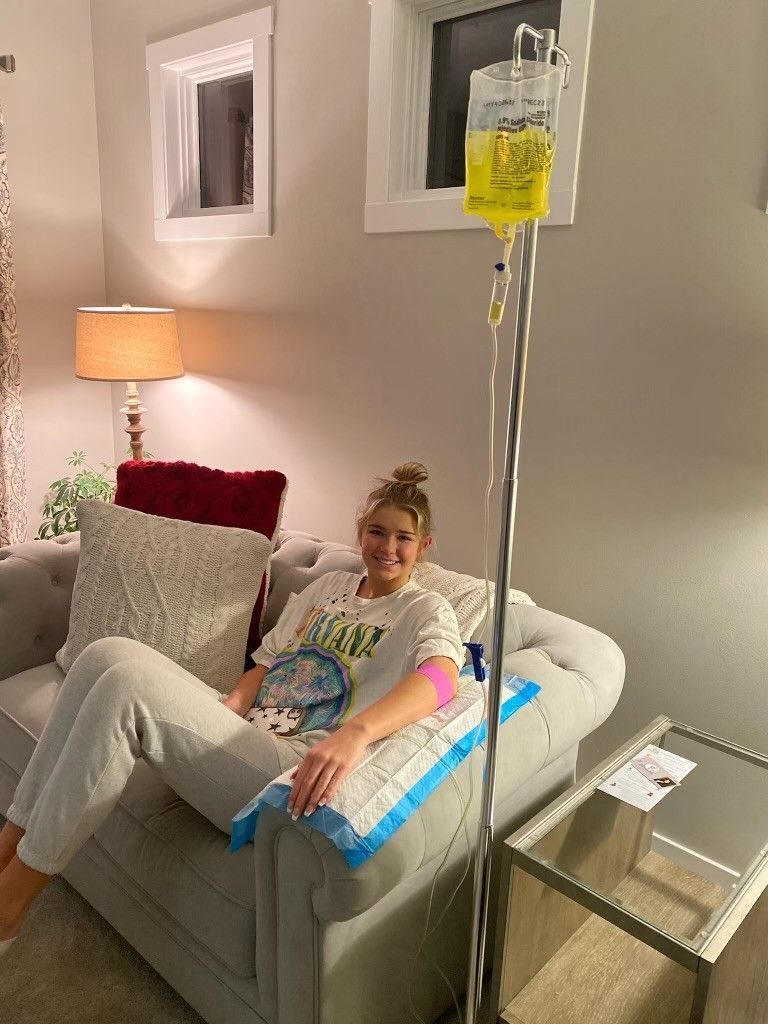
Introduction Each winter, many Minnesota families experience waves of illness that move quickly through households. Influenza, norovirus, and other viral infections can affect multiple family members over a short period of time—often leading to cumulative fatigue, dehydration, and prolonged recovery. While acute symptoms may resolve, the body often requires additional time and resources to fully recover. Immune recovery is not about aggressive intervention, but about supporting the body’s natural repair processes once illness has passed. Why Recovery Can Take Longer Than Expected After viral illness, individuals may experience: Ongoing fatigue or weakness Reduced appetite or fluid intake Residual gastrointestinal sensitivity Disrupted sleep and stress accumulation These factors can delay full immune recovery, particularly in children, caregivers, and adults managing work and household responsibilities simultaneously. Hydration and Nutrient Repletion During Recovery Adequate hydration supports: Circulation and lymphatic flow Nutrient transport Cellular repair Nutrients commonly utilized during recovery include zinc, vitamin C, magnesium, and B-complex vitamins—each playing a role in immune regulation, energy metabolism, and tissue repair. When IV Support May Be Considered IV hydration and nutrient support may be considered when: Oral intake remains limited after illness Fatigue persists despite rest and nutrition GI symptoms limit absorption Multiple household members are recovering simultaneously IV therapy is not intended to replace rest, nutrition, or medical care, but may serve as adjunctive support during recovery when clinically appropriate. A Conservative, Recovery-Focused Approach At Minnesota IV Hydration, recovery care emphasizes: Clinical assessment before treatment Conservative nutrient selection Supportive—not aggressive—intervention The goal is to help the body regain balance, not to “push through” illness. Scheduling Recovery Support For individuals or families navigating post-illness recovery, Minnesota IV Hydration offers IV services designed to support hydration and nutrient repletion when appropriate. Clients may contact Minnesota IV Hydration directly to inquire about recovery-focused infusion options , either in-clinic or through mobile concierge care. 📞 Contact Minnesota IV Hydration directly to learn more.
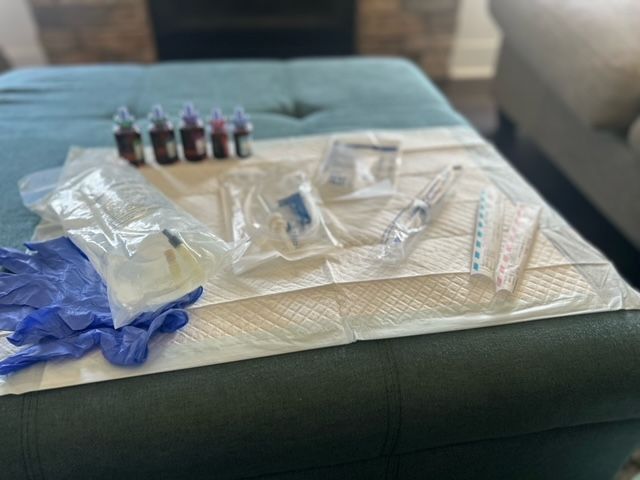
Introduction B-complex vitamins are a group of water-soluble nutrients essential to energy metabolism, neurological function, gastrointestinal integrity, and cellular repair. Because the body does not store significant amounts of most B vitamins, consistent intake and absorption are required to maintain adequate levels. For many individuals, diet and oral supplementation are sufficient. However, certain medical conditions, medications, and physiological stressors can increase demand or impair absorption. In these cases, IV B-complex therapy may be considered as supportive care , delivered through clinical assessment and medical oversight. At Minnesota IV Hydration, B-complex vitamins are commonly included in energy-supportive infusions and may be added to other IV formulations when clinically appropriate. What Is B-Complex? B-complex refers to eight distinct vitamins that work both independently and synergistically to support metabolic, neurological, and gastrointestinal function. The Eight B Vitamins and Their Roles Vitamin B1 (Thiamine) Supports carbohydrate metabolism, nerve conduction, cardiac function, and enteric nervous system signaling. Thiamine deficiency is well documented in individuals with chronic alcohol use and malabsorption conditions. Vitamin B2 (Riboflavin) Plays a role in cellular energy production and antioxidant pathways, supporting mitochondrial function and tissue repair. Vitamin B3 (Niacin) Involved in energy metabolism, DNA repair, and cellular signaling, including pathways relevant to digestion and circulation. Vitamin B5 (Pantothenic Acid) Essential for coenzyme A synthesis, supporting fatty acid metabolism, hormone production, and digestive enzyme pathways. Vitamin B6 (Pyridoxine) Supports neurotransmitter synthesis, immune function, amino acid metabolism, and digestive enzyme activity. Vitamin B7 (Biotin) Contributes to fat and carbohydrate metabolism and supports epithelial tissue health, including skin and mucosal surfaces. Vitamin B9 (Folate) Essential for DNA synthesis, red blood cell formation, and rapid cell turnover—particularly important for intestinal lining integrity. Vitamin B12 (Cobalamin) Critical for neurological function, red blood cell production, and DNA synthesis. Deficiency may present as fatigue, neuropathy, cognitive changes, or gastrointestinal symptoms related to malabsorption. The National Institutes of Health (NIH) outlines the role of B vitamins in energy metabolism, neurological health, and cellular maintenance: https://ods.od.nih.gov/factsheets/VitaminB12-Consumer/ https:// o ds.od.nih.gov/factsheets/Folate-Consumer/ B-Complex and Gastrointestinal Function In addition to neurological and metabolic roles, B-complex vitamins support gastrointestinal function through their involvement in digestive enzyme activity, intestinal cell turnover, and enteric nervous system signaling. The gastrointestinal tract contains rapidly dividing cells and a complex neural network. Adequate B vitamin availability supports: Normal digestive enzyme activity Maintenance and repair of the intestinal lining Neural signaling involved in GI motility Effective nutrient absorption This makes B-complex particularly relevant for individuals with altered intake, impaired absorption, or increased gastrointestinal stress. Who May Benefit From B-Complex Support B-complex IV therapy may be considered for individuals with increased physiological demand or impaired absorption, including: Persistent fatigue or low energy High stress or demanding schedules Recovery from illness or prolonged inflammation Gastrointestinal conditions affecting absorption Individuals in Recovery from Alcohol Use Chronic alcohol use is associated with impaired absorption and increased depletion of several B vitamins—particularly thiamine (B1), folate (B9), and B12. Thiamine deficiency is of specific clinical concern due to its role in neurological and GI function. Individuals With a History of Gastric or Bariatric Surgery Surgical procedures that alter the stomach or small intestine can significantly impair absorption of B12, folate, and other B vitamins. Even with oral supplementation, deficiencies may persist due to reduced intrinsic factor or altered digestion. The Cleveland Clinic notes that bariatric surgery patients are at increased risk for vitamin deficiencies and often require ongoing supplementation: https://health.clevelandclinic.org/bariatric-surgery-vitamin-deficiencies/ Individuals Using GLP-1 Medications GLP-1 receptor agonists (such as semaglutide and tirzepatide) are commonly used for metabolic health and weight management. While effective, these medications may alter nutritional intake and gastrointestinal function—particularly during early treatment phases or dose adjustments. Individuals using GLP-1 medications may experience: Reduced caloric and protein intake Early satiety or nausea Gastrointestinal changes that affect absorption Increased fatigue during metabolic adjustment Because B-complex vitamins support energy metabolism, neurological pathways, and gastrointestinal integrity, supportive supplementation may be considered when intake is reduced or oral tolerance is limited. IV B-complex allows direct delivery into circulation, bypassing gastrointestinal absorption and avoiding nausea that may accompany oral supplementation—without interfering with the intended effects of GLP-1 therapy. (Overview of GLP-1 medications: https://health.clevelandclinic.org/what-are-glp-1-agonists/ ) Oral B Vitamins vs. IV B-Complex Oral B-complex supplements are appropriate and effective for many individuals. However, oral supplementation may be limited by: Gastrointestinal intolerance Malabsorption syndromes Nausea or reduced appetite Medication-related absorption changes IV B-complex: Bypasses gastrointestinal absorption Allows predictable uptake Can be combined with hydration and other supportive nutrients May be considered when oral options are ineffective or poorly tolerated When B-Complex IV Therapy May Be Appropriate B-complex IV therapy is not intended for routine or indefinite use. It may be considered: During periods of high stress or fatigue During recovery from illness or surgery When clinical history suggests deficiency risk As part of a broader, supportive infusion plan All decisions are guided by clinical assessment , not symptom trends. B-Complex as Part of IV Hydration At Minnesota IV Hydration, B-complex vitamins are commonly included in energy-supportive infusions and may be added to other formulations when appropriate. Care is designed to support metabolic, neurological, and gastrointestinal function without overstimulation. Scheduling an IV Infusion For individuals experiencing fatigue, neurological stress, or recovery-related nutrient demand, Minnesota IV Hydration offers IV infusions that may include B-complex vitamins when clinically appropriate. Clients may contact Minnesota IV Hydration directly to inquire about same-day or upcoming infusion availability , either in-clinic or, when appropriate, through mobile concierge care. All services are provided following clinical assessment and medical oversight. 📞 To schedule or inquire about an infusion, contact Minnesota IV Hydration directly. Frequently Asked Questions About B-Complex IV Therapy Is IV B-complex safe? When administered following clinical assessment and appropriate dosing, IV B-complex is generally well tolerated. Is B-complex only for neurological support? No. B-complex vitamins support neurological, metabolic, and gastrointestinal function through multiple interconnected pathways. Is B-complex better than B12 alone? B12 plays a critical role in neurological and red blood cell health, but B-complex provides broader metabolic and GI support by addressing multiple pathways simultaneously. How often can someone receive B-complex IV therapy? Frequency varies based on individual needs and clinical context. IV therapy is intended as supportive care, not a replacement for nutrition or medical management.

Introduction Zinc is an essential trace mineral involved in hundreds of enzymatic processes throughout the body, playing a critical role in immune function, cellular repair, and inflammatory regulation. Despite its importance, zinc deficiency or increased zinc demand is common—particularly during periods of illness, stress, or immune challenge. At Minnesota IV Hydration, zinc is thoughtfully incorporated into our Immunity Infusion and may also be added to other IV formulations when clinically appropriate. Our approach emphasizes measured, evidence-informed support, guided by clinical assessment rather than trend-driven use. Why Zinc Is Clinically Important Zinc is required for both innate and adaptive immune responses. It supports the function of immune cells involved in pathogen recognition, inflammation regulation, and tissue repair. According to the National Institutes of Health (NIH) , zinc plays a role in: Immune cell development and signaling Antioxidant activity Wound healing and tissue integrity Cellular growth and repair Even marginal zinc deficiency may impair immune response and prolong recovery from illness. 👉 https://ods.od.nih.gov/factsheets/Zinc-Consumer/ Zinc Demand During Illness and Stress Zinc requirements may increase during: Acute or recurrent illness Chronic stress or poor sleep Increased inflammatory burden Periods of high physical or cognitive demand During illness, zinc is rapidly utilized by immune cells. At the same time, appetite changes, gastrointestinal symptoms, or impaired absorption may limit oral intake—making repletion more challenging through diet or supplements alone. Who May Benefit from IV Zinc IV zinc may be considered for individuals who: Experience frequent or prolonged immune challenges Are recovering from recent illness Maintain high-stress or demanding schedules Have difficulty tolerating oral supplements Are seeking supportive care during seasonal immune strain Zinc is often included as part of a broader immune-supportive formulation rather than administered in isolation, reflecting the way nutrients work synergistically in the body. When Zinc Supplementation May Be Appropriate Zinc is not intended for continuous or excessive use. Timing and dosing should be guided by clinical context. Zinc support may be considered: During early immune stress or illness During recovery periods In seasons associated with increased immune demand Routine, long-term supplementation without assessment is generally not recommended, as excessive zinc intake may interfere with other trace minerals, including copper. Oral Zinc vs. IV Zinc: What’s the Difference? Oral zinc supplementation can be effective for many individuals, particularly when tolerated and absorbed well. However, oral zinc may cause gastrointestinal discomfort, nausea, or poor absorption—especially during illness. IV zinc differs in several ways: Delivered directly into circulation Avoids gastrointestinal irritation Allows for predictable absorption Can be combined with hydration and other supportive nutrients IV administration may be considered when oral intake is insufficient, poorly tolerated, or ineffective in meeting short-term physiological demand. The Cleveland Clinic notes that IV nutrient therapy may be appropriate in select clinical contexts when oral intake is limited or absorption is impaired. 👉 https://health.clevelandclinic.org/iv-therapy/ Zinc as Part of an Immunity Infusion At Minnesota IV Hydration, zinc is most commonly included as part of our Immunity Infusion , where it works alongside hydration, vitamin C, and other supportive nutrients. This formulation is designed to: Support immune function during increased demand Promote recovery rather than overstimulation Complement foundational wellness practices Zinc may also be added to other infusions when clinically appropriate, based on individual needs and assessment. The Role of Clinical Assessment All IV services begin with a clinical assessment to determine appropriateness, safety, and individualized care planning. Zinc supplementation—whether oral or IV—is never one-size-fits-all. This assessment-based approach ensures IV therapy remains supportive, conservative, and clinically grounded. Scheduling an IV Infusion For individuals experiencing increased immune stress or recovering from illness, Minnesota IV Hydration offers IV infusions that may include zinc when appropriate. Clients may contact Minnesota IV Hydration directly to inquire about same-day or upcoming infusion availability , either in-clinic or, when appropriate, through mobile concierge care. All services are provided following clinical assessment and medical oversight. 📞 To schedule or inquire about an infusion, contact Minnesota IV Hydration directly. Frequently Asked Questions About IV Zinc Is IV zinc safe? When administered following clinical assessment and appropriate dosing, IV zinc is generally well tolerated. Zinc is provided only when clinically appropriate and not intended for routine or excessive use. Can I receive zinc without an immunity infusion? Zinc is most commonly included as part of an immunity-focused formulation but may be added to other infusions when clinically appropriate and assessed on an individual basis. Is IV zinc better than oral zinc? Neither approach is universally “better.” Oral zinc is appropriate for many individuals. IV zinc may be considered when oral intake is not tolerated, absorption is impaired, or short-term repletion is clinically indicated.
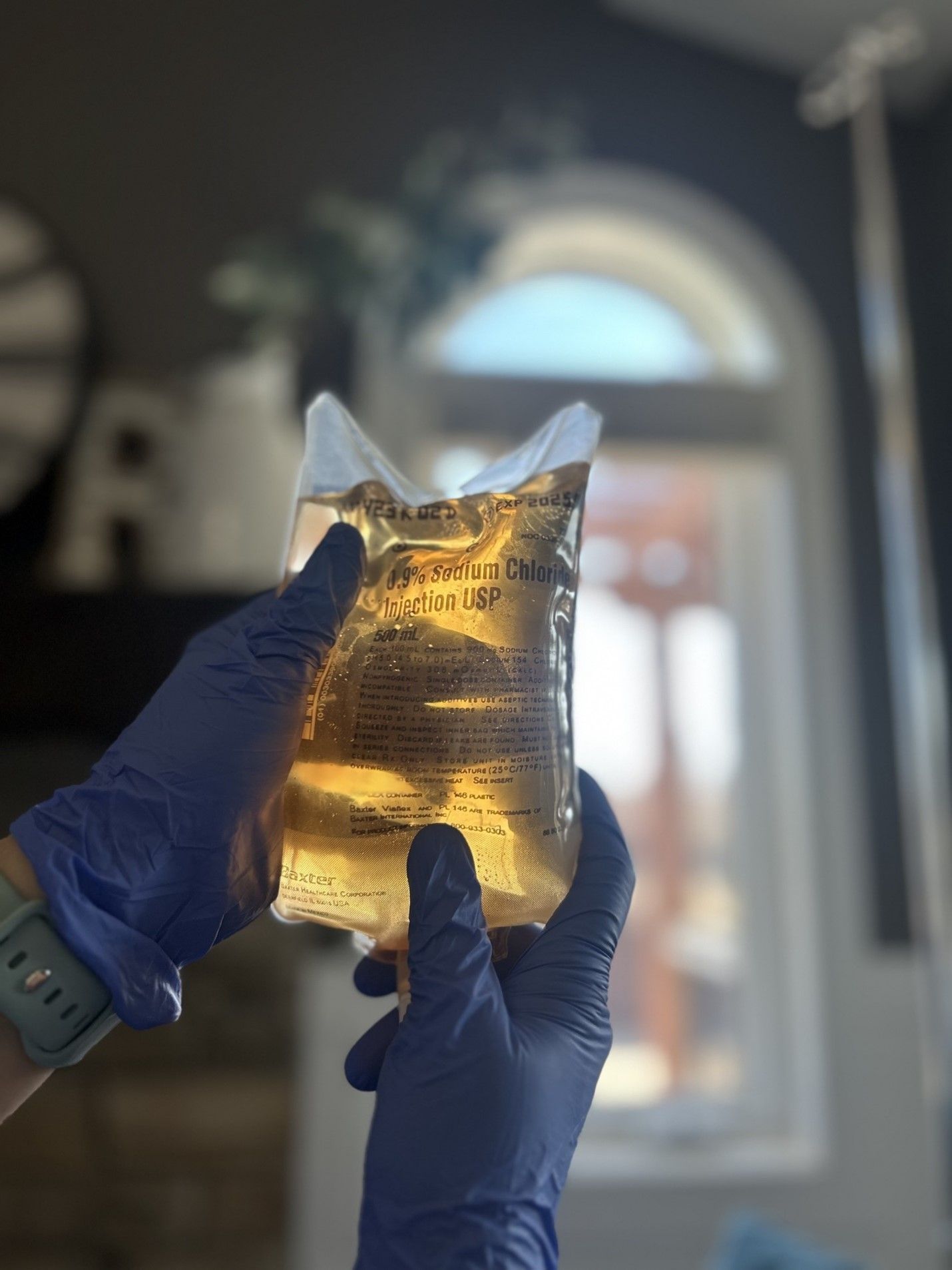
Winter Restoration: Supporting Energy, Immunity, and Hydration in Minnesota
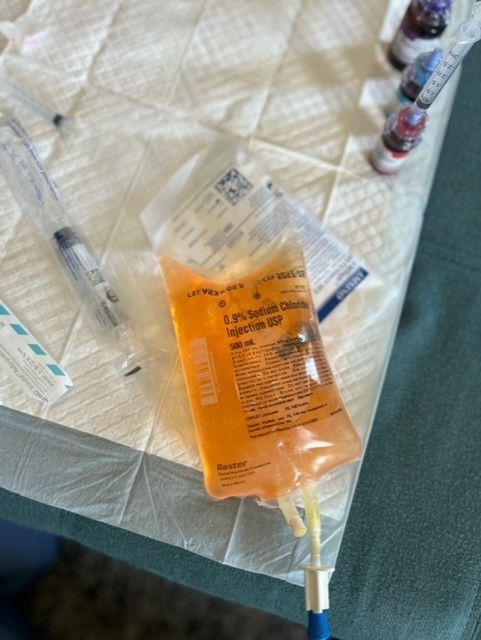
Stay Healthy. Stay Hydrated. Stay Ahead. As the crisp Minnesota air rolls in, our immune systems face new challenges — dry indoor air, less sunlight, and greater exposure to seasonal viruses. Strengthening your body’s natural defenses before cold and flu season hits can make all the difference. At Minnesota IV Hydration and Wellness, we combine medical expertise with functional wellness principles to help you build resilience from the inside out. One of our most effective tools? IV nutrient therapy, customized to restore hydration, replenish essential vitamins, and supercharge your immune system. Why IV Therapy Is So Effective Unlike oral supplements that lose potency during digestion, IV therapy delivers nutrients directly into your bloodstream, ensuring 100% absorption. This means your immune cells get the support they need immediately — ideal for prevention, recovery, or when you’re feeling run down. Our immune-focused infusions and injections provide targeted combinations of antioxidants, vitamins, and minerals that work synergistically to strengthen immune defenses and support cellular repair. Vitamin C (Ascorbic Acid) Vitamin C supports nearly every part of your immune system. It boosts white blood cell production, enhances their ability to destroy pathogens, and protects them from oxidative stress. It also supports collagen formation — vital for maintaining strong skin and mucosal barriers that act as the body’s first line of defense. High-dose Vitamin C IVs achieve blood concentrations that can’t be reached orally — producing antioxidant, anti-inflammatory, and antiviral effects. Learn more about Vitamin C and immunity: https://www.ncbi.nlm.nih.gov/pmc/articles/PMC5707683/ Zinc Zinc plays a crucial role in immune cell communication and activation. Deficiency, which is common in winter, leads to reduced immune defense and slower wound healing. Zinc also supports the integrity of the respiratory lining, helping prevent pathogens from taking hold. Supplementation can shorten cold duration and improve recovery time. Read more: https://ods.od.nih.gov/factsheets/Zinc-HealthProfessional/ Glutathione Glutathione is your body’s master antioxidant, responsible for neutralizing toxins, regenerating other antioxidants, and maintaining optimal immune cell function. It also supports liver detoxification — essential when your immune system is under stress. Low Glutathione levels are linked to fatigue and increased infection risk; replenishing levels improves immune resilience. Learn more: https://www.mountsinai.org/health-library/supplement/glutathione Tri-Immune Boost Injection Our Tri-Immune Boost combines Vitamin C, Zinc, and Glutathione into one powerful shot — a quick, effective triple defense. It’s ideal for busy clients who want added protection between IV sessions or weekly support during virus season. Functional Medicine Habits to Naturally Support Immunity True immune strength is built daily — through the choices you make outside the clinic. Here’s what we recommend to every ReGen and Minnesota IV client this season: Prioritize Restorative Sleep Your immune system repairs and regenerates while you sleep. Even one night of poor sleep can increase inflammation and reduce infection-fighting cytokines. Learn more: https://www.cdc.gov/sleep/about_sleep/how_sleep_works.html Eat a Balanced, Protein-Rich Diet Protein provides the amino acids your body needs to produce antibodies, enzymes, and immune cells. Aim for 20–30 grams per meal from sources like chicken, turkey, eggs, Greek yogurt, beans, quinoa, and salmon. Colorful vegetables and fruits add antioxidants and phytonutrients that help your immune system perform optimally. Limit Alcohol Intake While occasional drinks are fine, regular alcohol use can suppress immune cell function, disrupt the gut microbiome, and deplete B vitamins and zinc. See Cleveland Clinic: https://health.clevelandclinic.org/alcohol-and-your-immune-system/ Ditch Nicotine for Good Nicotine constricts blood vessels, decreases oxygen delivery, and weakens immune response — particularly in the lungs and respiratory tract. Read more: https://www.lung.org/quit-smoking/smoking-facts/health-effects/nicotine Move Your Body Daily Exercise increases immune cell circulation and lowers cortisol (your body’s main stress hormone). It doesn’t need to be extreme — 30 minutes of walking, yoga, or light strength training can do wonders. Learn more: https://www.health.harvard.edu/staying-healthy/exercise-and-immunity Support Recovery and Detox Pathways When your immune system is active, your detox organs work harder. Supporting these pathways helps your body clear inflammation and toxins efficiently. Infrared saunas promote lymphatic flow and reduce inflammation, hydration supports cellular function, and probiotics strengthen gut immunity. Research on saunas: https://pubmed.ncbi.nlm.nih.gov/33166638/ What to Expect at Minnesota IV Hydration and Wellness During your visit, our nursing team will customize a drip or injection plan based on your goals and seasonal needs. Whether you’re staying proactive or recovering from illness, we offer: • Immune Boost Drip – High-dose Vitamin C, Zinc, B-Complex, and hydration support • Tri-Immune Boost Injection – Fast, powerful immunity shot • High-Dose Vitamin C Drip – For those needing enhanced antioxidant support Stay Ahead of the Season This cold and flu season, take a proactive approach. Pair healthy daily habits with targeted IV nutrient therapy to keep your immune system strong, your energy high, and your recovery fast. Your immune system is your first line of defense — let’s help it thrive. Minnesota IV Hydration and Wellness 1573 154th Ave NW, Suite 106 • Andover, MN 612-868-4683 www.MinnesotaIVHydration.com